


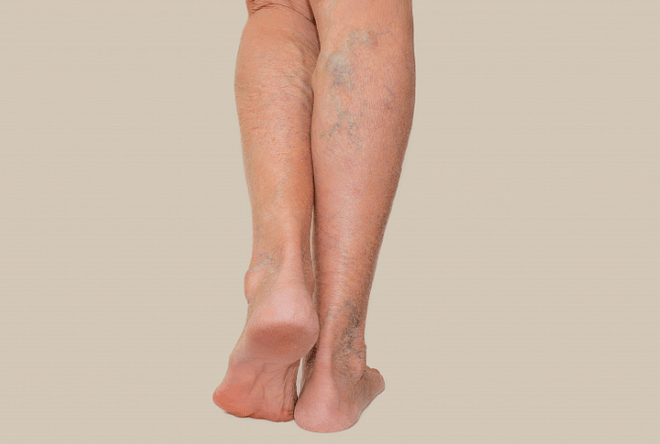
Varicose veins are a disease of the venous channels characterized by impaired circulation and valve changes.The disease is accompanied by dilation of the vessel walls and increased length of the veins.This disease causes blood stagnation and the formation of nodules.Need to consult a doctor.
Symptoms of varicose veins
During the initial stages of disease progression, 2-3 root canals increase in size.There are no other symptoms.As varicose veins progress, the following symptoms may occur:
- Rapid fatigue of lower limbs;
- swelling of the legs;
- feeling of heaviness;
- Thickening of prominent venous channels on the skin surface;
- hair loss in affected areas;
- burning and itching sensations;
- pain in lower limbs;
- Cracks form with minor damage;
- dermatitis;
- Redness along the veins.
- The veins are dark blue and nodular;
- Cramps in lower limbs.
reason
The exact cause of varicose veins cannot be determined.However, factors that increase the risk of disease progression have been identified:
- Genetic predisposition.Explained by the transmission of a non-standard gene responsible for the structure of blood vessels.From the moment a child is born, the muscles and connective tissues are weak, resulting in increased pressure on the lower limbs;
- Changes in hormonal levels, such as during pregnancy or menopause.Estrogen concentrations in the body decrease and progesterone levels increase.This results in decreased vein wall tone and vessel occlusion;
- Being overweight can cause slow blood circulation and increased abdominal pressure;
- High concentrations of sugar in blood vessels can damage the vessel walls and create a favorable environment for the formation of thrombus;
- Excessive consumption of alcoholic beverages can lead to dehydration, thickening of blood cells, formation of blood clots, and interference with blood circulation;
- Prolonged physical activity in the lower limbs can cause muscle tissue tone to decrease, blood flow to the cardiac system to slow down, and stagnation in the legs;
- Congenital blood cell coagulation abnormalities;
- Incorrect dietary formula and low concentrations of vitamins E and C can lead to weakened blood vessels;
- Regularly wearing tight underwear can compress venous passages;
- kidney disease;
- Chronic constipation.The disease causes increased intra-abdominal pressure, leading to impaired blood flow;
- Frequent wearing of high heels deactivates the calf muscle tissue, causing stagnation;
- In hot seasons, frequent dehydration can thicken the blood and increase the risk of blood clots;
- Diseases of the cardiovascular system, such as heart failure;
- Taking too much of a drug that increases blood clotting;
- Surgical intervention. Blood loss during surgical treatment increases the risk of blood clots.
Stages of development of varicose veins
There are several stages in the progression of varicose veins in the lower limbs:
- Regardless of the patient's age, the initial phase lasts from a few months to a few years.Its characteristic is that there are no obvious signs.It is accompanied by mild pain, burning sensation in the venous passages and rapid fatigue of the legs.Pain worsens at night;
- The second stage is characterized by the onset of symptoms.Accompanied by severe pain, continuous spasm of muscle tissue, formation of nodules in the legs, increased vein thickness, and itching;
- The third stage is characterized by increased edema, impaired blood circulation, long-term failure of ulcer lesions to heal, and thrombophlebitis.
variety
Varicose veins can be divided into several types depending on their location:
Varicose veins on the legs and arms
It is easier to diagnose than other diseases and is easily treated.
pelvic varicose veins
It is characterized by symptoms similar to other diseases.The urinary process is disrupted, and you may experience pain during sexual intercourse or physical activity.
uterine varicose veins
Rarely diagnosed, it is characterized by a painful sensation during sex that radiates to the lumbar area.
Esophageal varices
More common is the concomitant disease of portal hypertension.It is characterized by no symptoms.
diagnosis
Diagnosis requires visual examination and medical history.Additional tests show the condition of the valves and venous passages, allowing us to determine the type and stage of disease.If necessary, the doctor will perform functional tests to determine the patency of the veins and perform duplex ultrasound scans, venography, and Doppler tracings to assess blood flow.To diagnose varicose veins, use:
- MRI (magnetic resonance imaging)
- Check-up (comprehensive physical examination)
- computerized electroencephalogram
- Computer topographic map of the spine
- Duplex scanning
- Ultrasound (ultrasound examination)
- CT (computed tomography)
- Onco Inspection – Free Online Consultation
Which doctor should I contact?
If you suspect varicose veins, you should contact a phlebologist – a specialist in treating blood vessels.You can also make an appointment with a surgeon, who will make a diagnosis and choose an appropriate treatment.
Treatment of varicose veins
The course of treatment depends on the individual characteristics of the disease.Medications can improve the function of valves, nourish vessel walls, and stimulate blood flow, but they cannot eliminate the disease.The patient's diet is adjusted, a personal daily treatment plan is developed, and the use of a compression garment is prescribed.Traditional methods help eliminate pain.If the disease cannot be cured by conservative methods, surgical intervention is required.The following methods are usually used:
- manual therapy
- physical therapy
- therapeutic massage
- Orthopedic insoles
- reflexology
- Ozone therapy
- plasma therapy
- SVF joint treatment
- Acupuncture
complication
- venous bleeding;
- Eczema, which occurs due to long-term lack of oxygen;
- Superficial thrombophlebitis;
- Thrombus formation in deep venous passages;
- formation of trophic ulcers;
- Infertility due to damage to the uterine veins;
- Death due to ruptured blood clot.
Prevent varicose veins
In order to reduce the risk of developing varicose veins, the following rules must be followed:
- Avoid strenuous physical activities of the lower limbs;
- Use medications as directed;
- Stop drinking alcoholic beverages;
- When working sedentary, perform small gymnastics every hour;
- Stop using compression bras;
- maintain a balanced diet;
- At the first sign of varicose veins, talk to your doctor.